A house fire moves faster than most people imagine. The families who get out safely are almost always the ones who talked about it first.
Nobody likes to think about a fire in their home. But a few minutes of planning now can make all the difference later, and children handle scary moments far better when they already know what to do.
Start with the smoke alarms
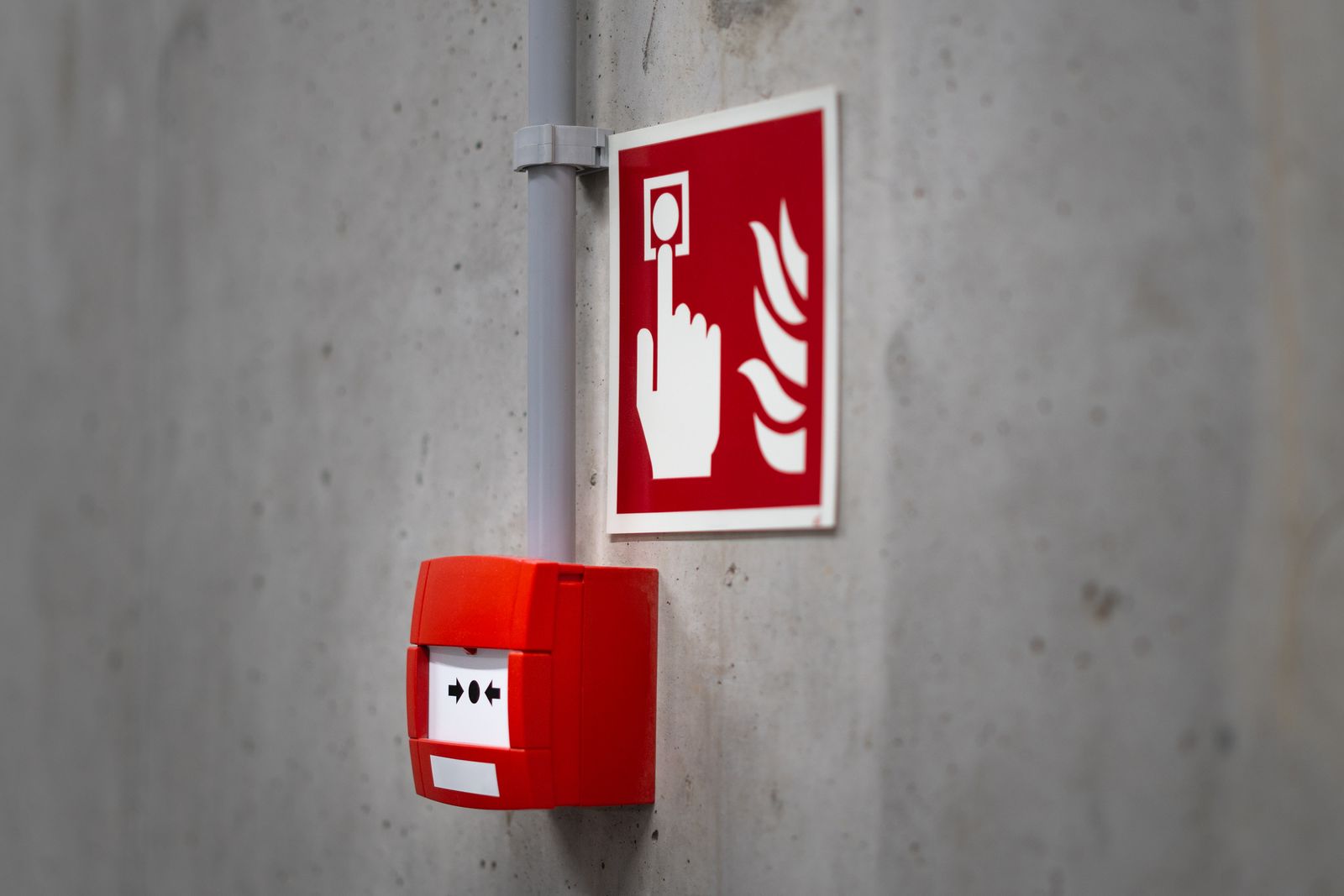
Put one on every level of your home, inside each bedroom and in the hallway outside sleeping areas. Test them monthly — let the kids push the button, they love it. Replace batteries when they chirp, and replace the whole alarm about every ten years.
Two ways out of every room
Walk the house together and pick the door and a backup, usually a window. Practice opening those windows. If you have upper floors, decide now how everyone gets down and who helps the youngest child.
Get out and stay out
This is the one sentence kids should remember. No going back for a toy, a tablet or even the dog. Tell them firefighters will handle the rest. If smoke fills the room, get low and crawl, because the cleaner air stays near the floor.
Pick a meeting place outside
A mailbox, a tree, a neighbor's porch — something specific that a child can point to. Practice going straight there so nobody ends up searching the yard for someone who is already safe.
Teach kids not to hide
Frightened children hide under beds and inside closets. Say out loud, more than once, that firefighters are helpers and that they should call out or go to a window so they can be found. If you can, show your kids what a firefighter looks like in full gear — the mask and the sound of the air tank can be startling to a child who has never seen it.
Watch the everyday hazards
Keep lighters and matches up high and out of sight. Don't leave cooking unattended, and keep a three-foot kid-free zone around the stove. Unplug space heaters when you leave the room, and don't run extension cords under rugs. Clean the dryer lint trap every single load.
Practice twice a year
Run a drill at a random moment. "The alarm is going off — where do we go?" Time it. Make it a game rather than a fear lesson. Then talk about what went well and what you'd change.
Fire safety isn't about scaring children. It's about giving them a plan so that if the alarm ever sounds at 2 a.m., their body already knows where to go.
Want a place to write your plan down? Use our printable Family Emergency Plan.
Enjoyed this?
Get new posts and book news by email.