
You don't have to prepare for every emergency imaginable. Start with a few simple things.
You don't have to prepare for every emergency imaginable. Start with a few simple things that will help your family know what to do if the power goes out, severe weather hits, there's a fire, or you suddenly need to leave home. Most importantly, include your children in the planning. When kids know the plan and have practiced it, an emergency can feel a little less confusing and frightening.
Choose two family meeting places
Pick one safe place near your home, such as a neighbor's house or a particular tree or mailbox, and another place outside your immediate neighborhood in case you can't return home. Walk to your nearby meeting place with the kids so everyone knows exactly where it is.
Choose an out-of-area family contact
Pick a trusted relative or friend everyone can contact if your family becomes separated. Older children should have the person's name and phone number in their phones, but also write it on a small emergency contact card for everyone to carry. Help younger children learn the person's name.
Make sure the kids know the basics
Children who are old enough should know their full name, home address and a parent's phone number. Teach them how and when to call 911, and explain that it's for real emergencies — not something to be afraid of, but something they should know how to use.
Put together a simple emergency kit
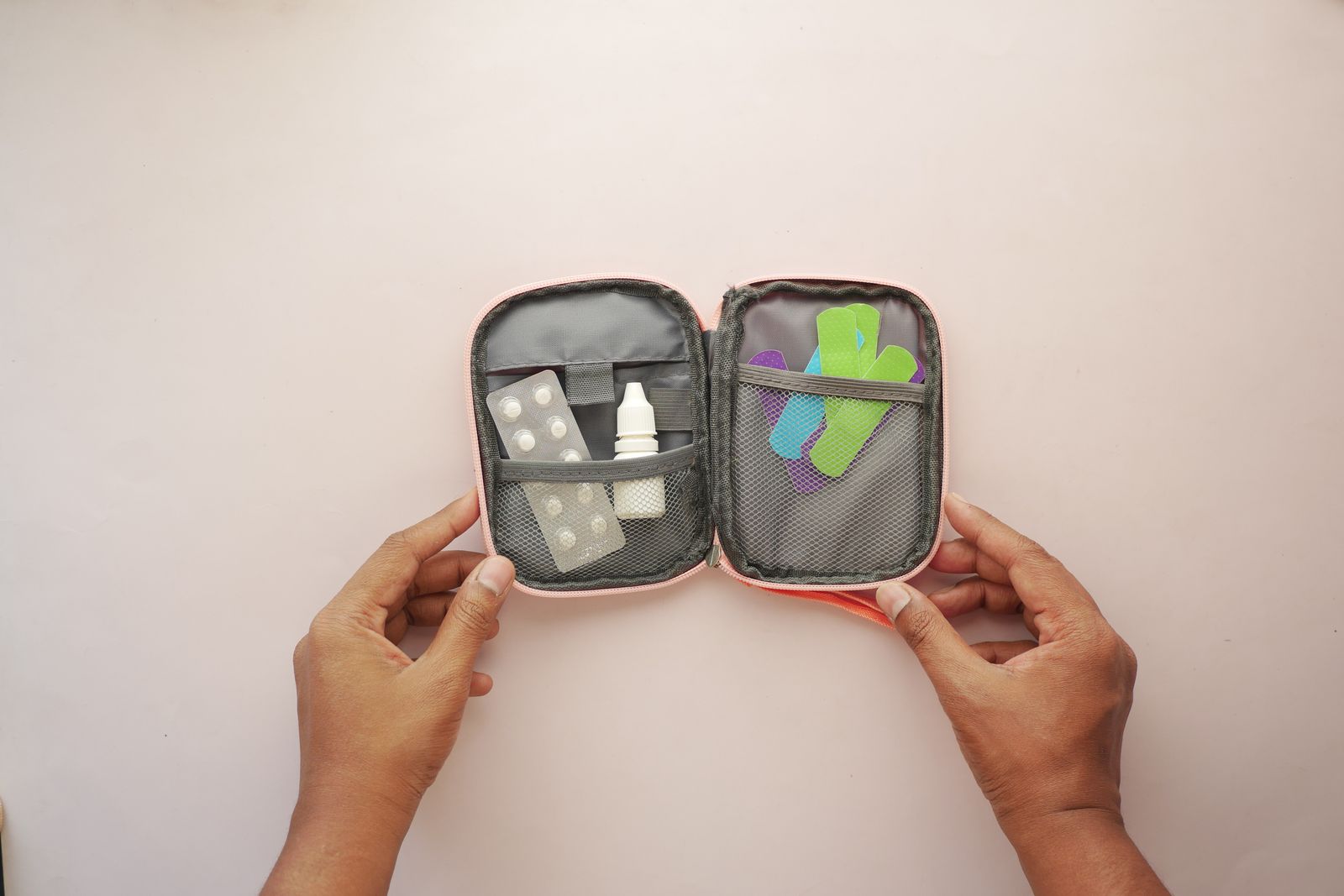
Let the children help. Gather water, nonperishable food, flashlights, extra batteries, a first-aid kit, necessary medications, phone chargers or power banks, hygiene supplies, copies of important information and some cash. Add supplies for babies, older family members and pets if needed. Let each child choose a small comfort item, book or activity to include.
Give everyone a job
Emergency preparation works better when everyone participates. One child might be responsible for remembering the pet's leash, while another knows where the flashlights are kept. Adults should handle medications, documents and other critical items. Keep children's responsibilities simple and age appropriate — the goal is to help them feel prepared, not responsible for everyone's safety.
Know how you'll get out
Walk through your home together and identify at least two ways out when possible. Make sure children understand that during a fire they should get outside and stay outside rather than going back for toys, pets or belongings. Decide ahead of time which adult will assist babies, young children or anyone who may need help evacuating.
Practice the plan
Don't make it scary. Turn it into a family practice: "Okay, the power is out. Where are our flashlights?" or "There's a fire. Where do we meet outside?" Run through your plan a couple of times a year and update your emergency supplies as the children grow and your family's needs change.
One last thing
Don't try to do everything perfectly. Prepared is better than perfect. Start with your meeting places, emergency contacts and basic supplies. Then practice together.
The purpose isn't to make children worry about emergencies. It's to give the entire family something reassuring: We've talked about this. We have a plan. We know what to do.
Ready to make your own plan? Try our printable Family Emergency Plan — a simple page you can fill out together as a family.
Enjoyed this?
Get new posts and book news by email.